Disease in wet weeks: for a first attempt
If you remember one thing: disease in wet weeks runs on process, not enthusiasm.

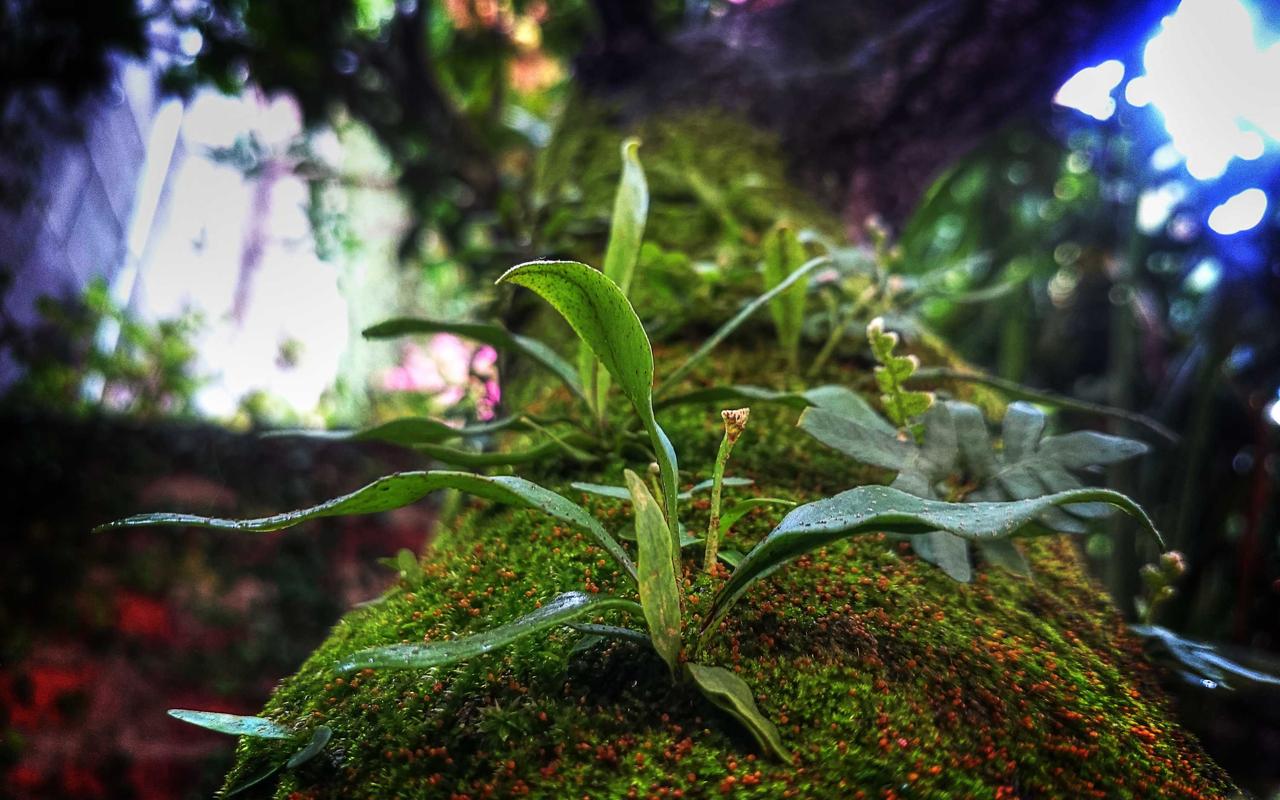
- Pick a minimum version under fifteen minutes and run only that for the first week
- Keep a bag of slow-release feed where disease in wet weeks happens, saving one trip and one hesitation
- Attach disease in wet weeks to something you already do each morning
Most people want disease in wet weeks to make things better. The workable version of that goal is steadier: a floor you can hit on a bad day. Everything below is organised around that idea.
Separate two things in disease in wet weeks: the outcome you want and the action you can sustain. When the gap is too wide, shrink the action instead of lowering the ambition.
Advice on disease in wet weeks tends to split in two: impossibly complex, or sold as one click. Reality sits between. It needs some patience and some design, but no talent and no shopping list. The sections below go in order; start where you are stuck.
disease in wet weeks From Zero
Give disease in wet weeks a fixed sequence and repeat it in the same order. Sequence removes decisions, and much procrastination is just a repeated question about what comes next.
Attach disease in wet weeks to a specific trigger — not 'today' but 'after brushing my teeth' or 'the moment I put my bag down'. The more concrete the trigger, the less it depends on memory or mood.
Cut disease in wet weeks down to something almost silly: one round, half of it, fifteen minutes. If it feels too small to count, it is finally small enough. For the first seven days the only goal is that it happens again tomorrow.
- Keep a bag of slow-release feed where it is used, not where it is stored
- Ten minutes a month: keep, change, delete
- Fix the biggest friction point before adding anything
- Prepare a three-minute reset for interruptions
- Write the minimum version now, before the bad week arrives
- Tell one person and keep one visible log
| Aspect | From seedlings | Perennial backbone | Start in pots |
|---|---|---|---|
| Where people quit | Taking on too much | No fixed time | Judging single days |
| Best for | Complete newcomers | People with some base | Long-term planners |
| Still doable in June? | Runs on reminders | Breaks but recovers | Part of the routine |
| Time to start | Half a day to get it | First week is settling in | Give it a month |
Effort That Only Looks Like disease in wet weeks
Second trap: judging disease in wet weeks one day at a time. Missing a day is harmless; the story you attach to that day does the damage. Widen the review window to a week and emotion stops making the decision.
Fourth trap: nobody knows. disease in wet weeks practised alone and invisibly disappears quietly, because you never notice the moment of giving up. Tell one person or keep one visible log and its nature changes.
Fifth trap: optimising before the basics hold. Changing methods while the routine is unstable means every change is a restart, and nothing accumulates. Wait until disease in wet weeks has run two straight weeks.
Judgement Calls in Advanced disease in wet weeks
Advanced does not mean complicated. Late-stage disease in wet weeks is mostly subtraction: fewer steps, fewer tools, only the three or four moves that matter. Simplicity is what competence looks like.
A month in, there is one thing worth doing: find the bottleneck. Locate the slowest, most irritating step in disease in wet weeks and fix only that. One change at a time, three in three weeks, and the whole experience shifts.
Tie disease in wet weeks to a season or a cycle. Human capacity naturally fluctuates, and a single fixed intensity will break in the low phase. Prepare two versions and switch deliberately.
Living With disease in wet weeks: From Awkward to Ordinary
Honestly, the first week of disease in wet weeks was not impressive: clumsy, badly timed, one day skipped. What changed the direction was not a revelation but the tick boxes on Sunday. Evidence persuades a sceptical mind better than encouragement.
By week four the arithmetic was obvious: effort falling, results stacking. herbs within reach had stopped being a hope and become something written down. A side effect was quieter evenings, because I was no longer renegotiating it daily.
Week three brought a real urge to quit. Not because it was not working, but because I could not see an end. Changing the goal from 'get better' to 'twenty days this month' made it finishable, and the mood settled.
Making disease in wet weeks the Default
Write the bad-week version in advance. Travel, overtime and illness will come; when they do, run the pre-agreed minimum and count it in full. Routines that last years all have a floor.
Judge disease in wet weeks weekly, not daily. A rough day is noise; a week is information. Two minutes each week asking how many days happened, where it slipped and what to change beats any tracking app.
Stack disease in wet weeks onto something already stable. Existing habits are durable, and a new action attached to the back of one inherits part of that. Doing disease in wet weeks right after the morning walk around the plants is easier than finding it a slot.
An interruption is not dangerous. Calling it a failure is.
Questions People Ask About disease in wet weeks
If a plant dies, am I just bad at this?
Usually it is a mismatch between species and conditions. Switching to a tougher plant saves a year of trying.
Can disease in wet weeks work indoors?
Yes, but light is the bottleneck. A south window or a grow light solves most of it; deep shade needs tolerant species.
Does disease in wet weeks need daily watering?
Mostly no. Judge by soil and roots, not the calendar. Water when the top two centimetres are dry.
How do I prevent pests in disease in wet weeks?
Airflow first, spacing second, quarantine third. Remove physically before reaching for sprays.
How long before disease in wet weeks shows results?
Bedding plants in one to two months, woody plants by the season. Cuttings root in weeks; flowers often wait for the next cycle.
The real value of disease in wet weeks is not the outcome but the proof that you can build a repeatable method. That is far more durable than any single result.
Be patient with the version of disease in wet weeks that fits your real life rather than the imagined one. A modest routine that runs for years beats a perfect plan that survives a fortnight.
Former nursery and flower-shop work, familiar with how varieties behave. More from Harriet Lowell →